Architects of Hope: The Credentials of a Rebuilder - Apostle Joshua Selman
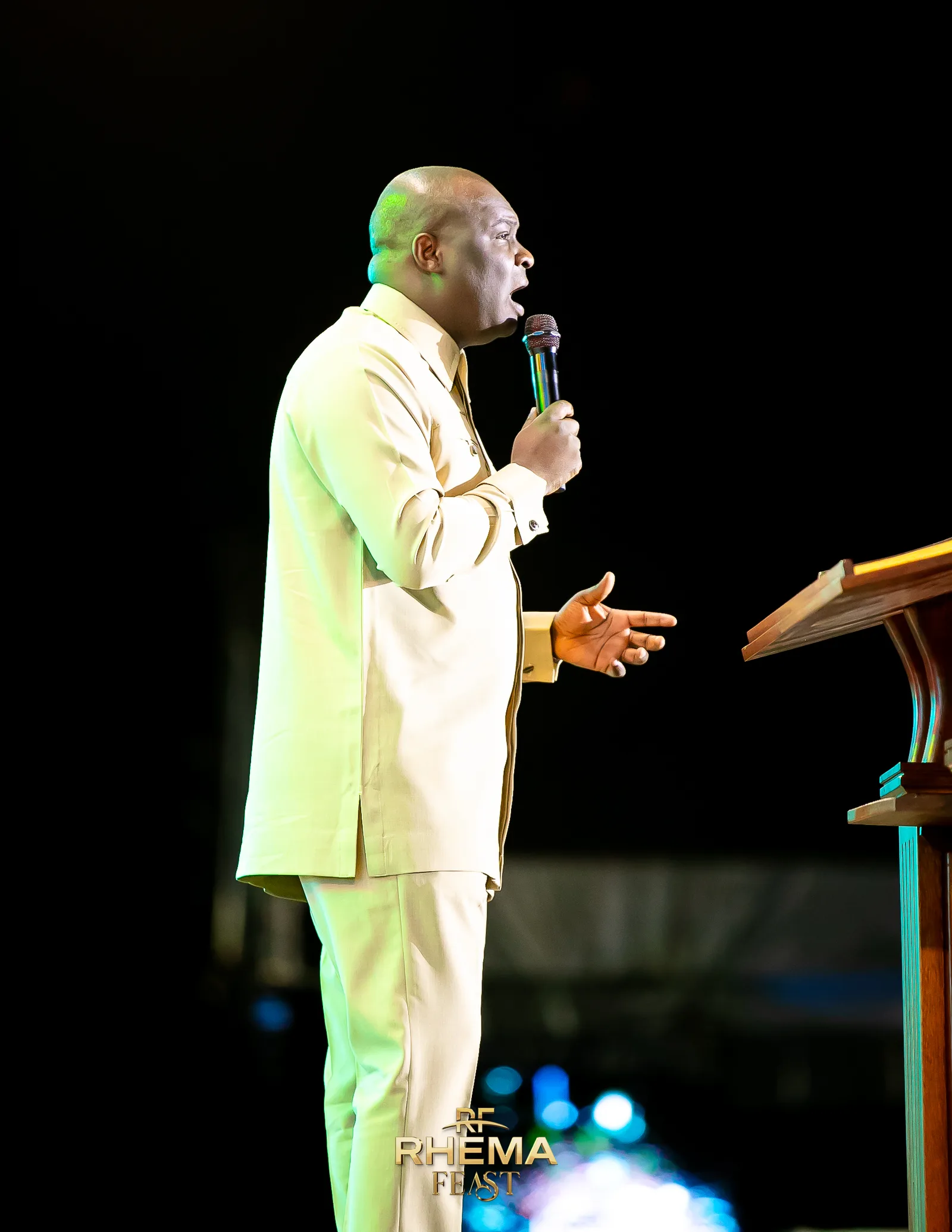
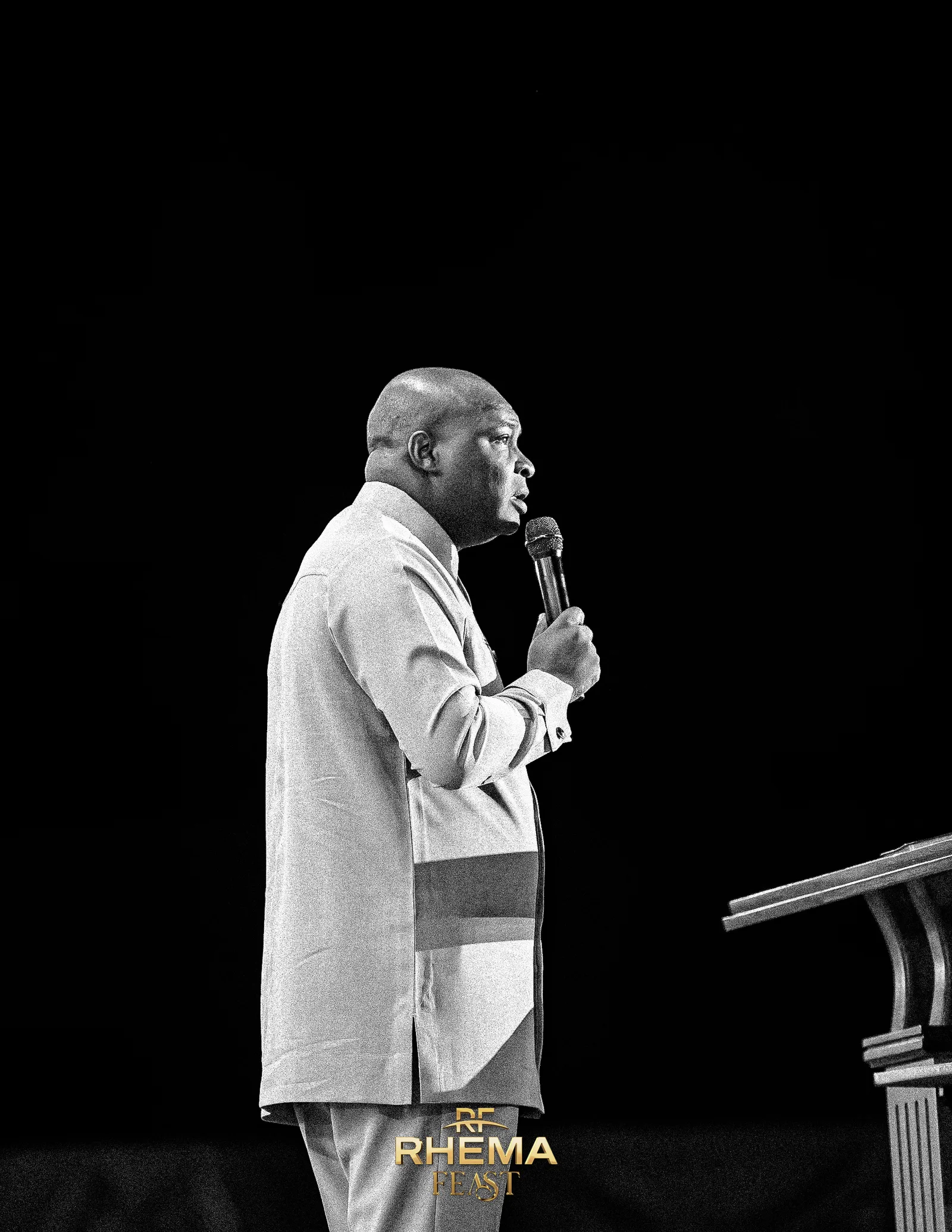
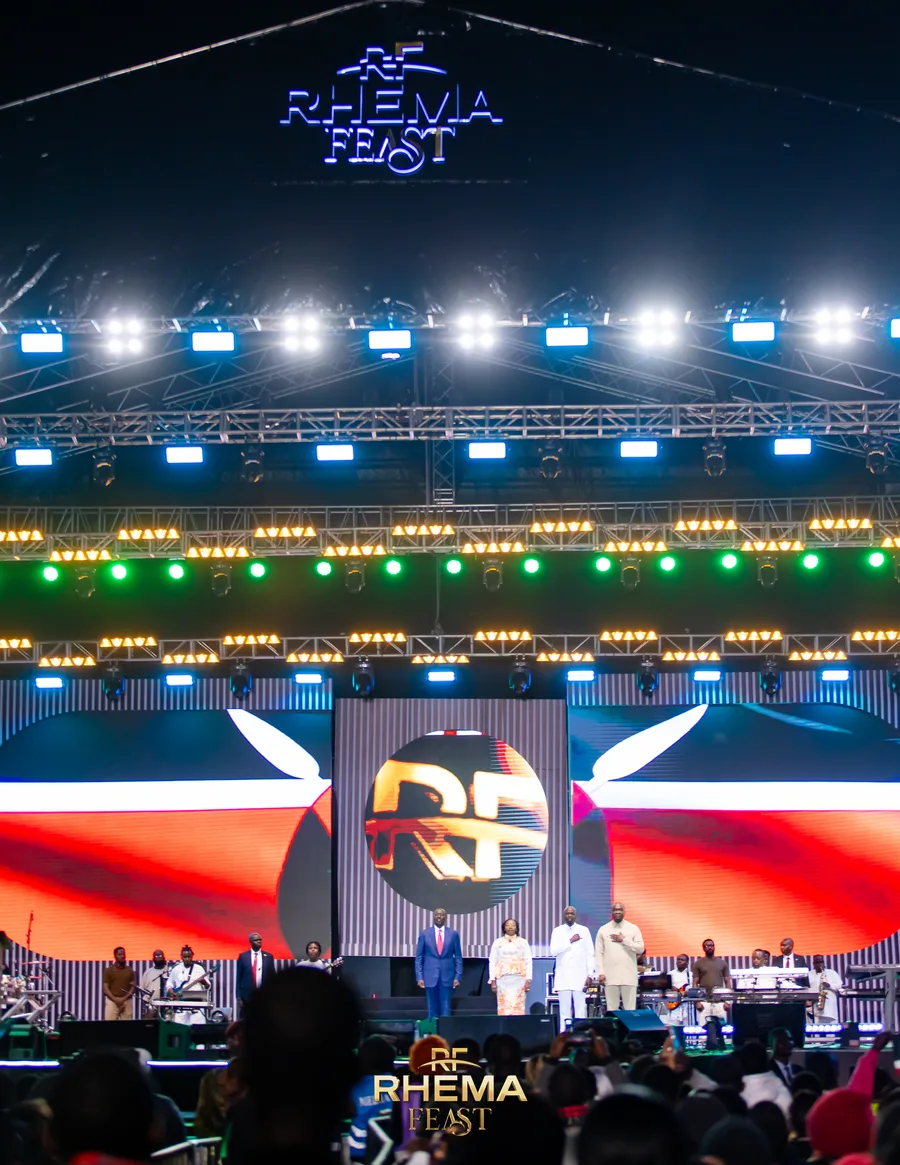
There was something weighty about the final day of Rhema Feast 2026. After days of worship, prophetic declarations, teachings and a stirring call to rebuild, the atmosphere seemed to carry one final question: now that you have heard, what will you do with what God has entrusted to you? And then came Apostle Joshua Selman, who gave us the final charge.
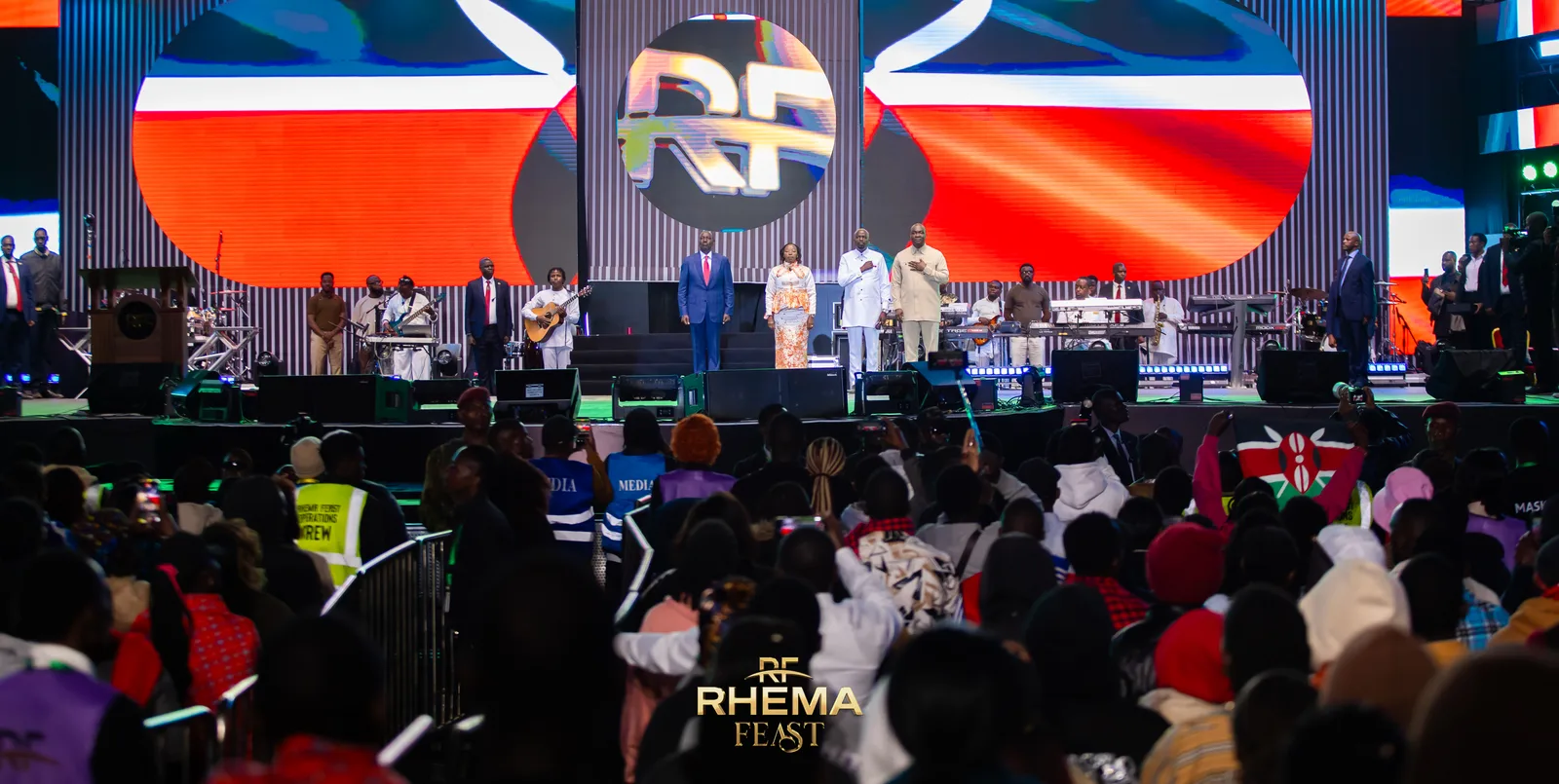
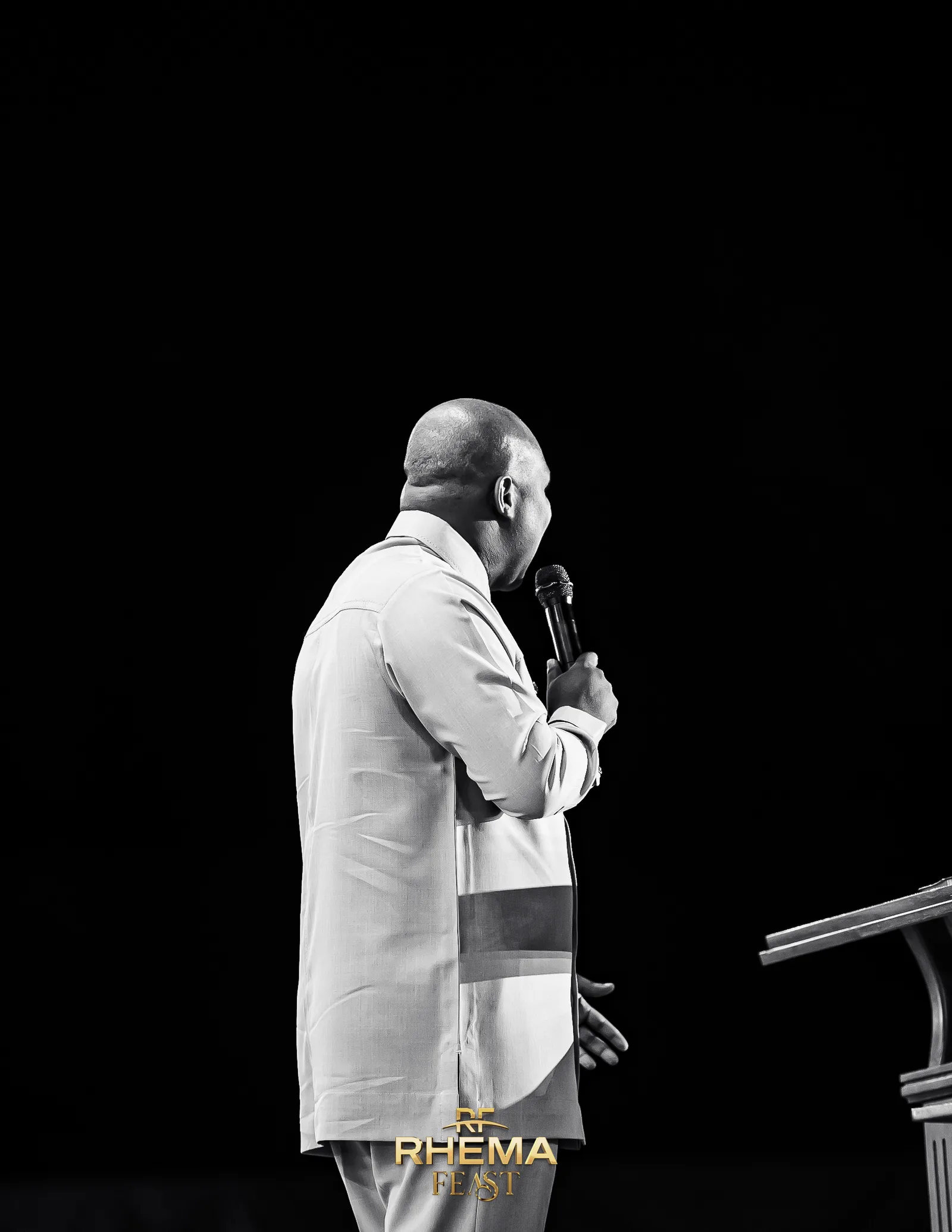
As he took the platform, the room leaned in - not merely to hear another sermon, but to receive a final charge. If Rhema Feast had been a call to rebuild, Apostle Selman brought the blueprint for the people who would carry that assignment.
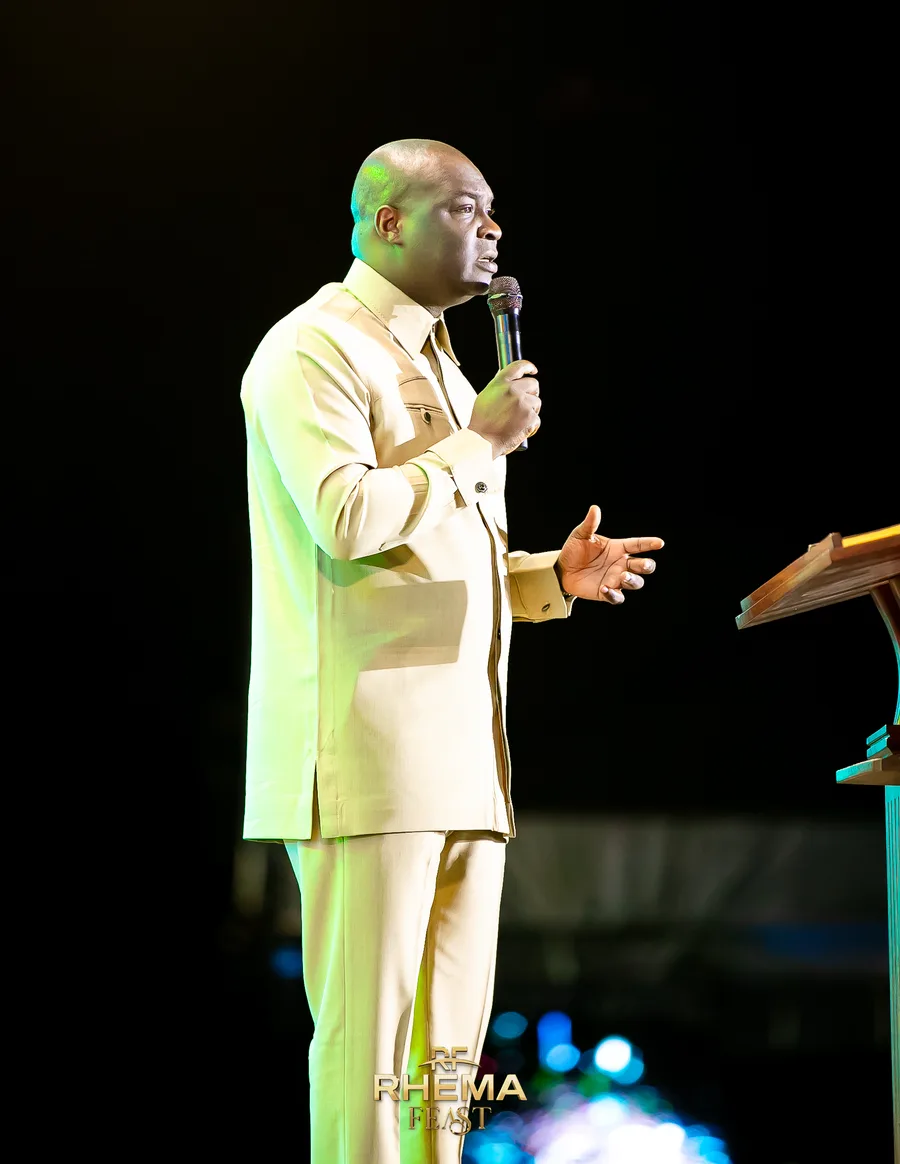
He began with a sobering truth: you cannot be a true rebuilder if you love the assignment more than you love the King. The walls may be important, the ministry may be significant, the vision may be compelling - but none of these can ever take the place of God. A builder can become so consumed with building that the project itself becomes an idol. The danger is not in doing too much for God, but in doing so much for God that we lose our intimacy with God.
The true rebuilder therefore carries an unconditional passion for God. Whether the walls rise or fall, whether the project succeeds or appears to fail, his devotion remains constant. His identity is not tied to the outcome of the assignment but to the One who gave it.
The danger is not in doing too much for God, but in doing so much for God that we lose our intimacy with God.
Apostle Joshua Selman
The mind of Christ
Passion alone is not enough
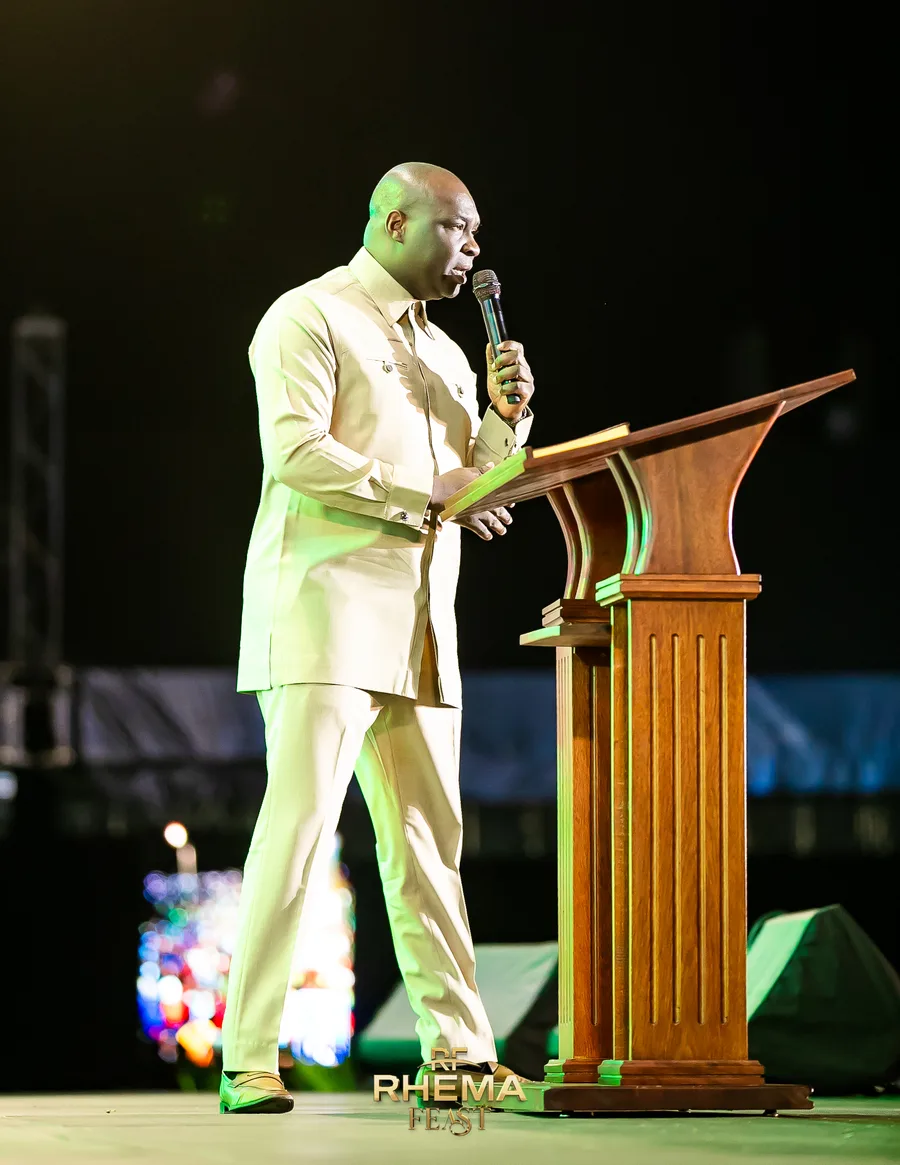
Apostle Selman called for spiritual illumination and intelligence - the life of Christ within us, and the mind of Christ being formed within us. Salvation gives us the life of Christ, but transformation teaches us how to think like Him.
This is why mentorship and spiritual growth cannot stop at doctrine. We must understand the principles of the Kingdom, develop wisdom for living and cultivate a worldview that is completely aligned with God’s Word. The world does not merely need Christians who can quote Scripture; it needs believers who can take the wisdom of God and turn it into solutions.
Then came another sobering charge: you cannot serve a programme you do not understand. If we are to participate in God’s end-time agenda, we must understand what He is doing. The assignment is bigger than filling church buildings. It encompasses evangelism, discipleship and territorial transformation - seeing people saved, seeing them mature, and ultimately seeing the values of God’s Kingdom influence families, institutions, communities and nations.
God’s plans require man’s partnership
Perhaps this was one of the deepest burdens of the message. There are things God has ordained to happen on the earth, yet He chooses to work through people. His prophetic intentions remain realities until responsible men and women arise and say, “Here am I. Send me.” The rebuilder must therefore understand the God-man partnership. We are not spectators waiting for God to do everything. We are co-labourers with Him.
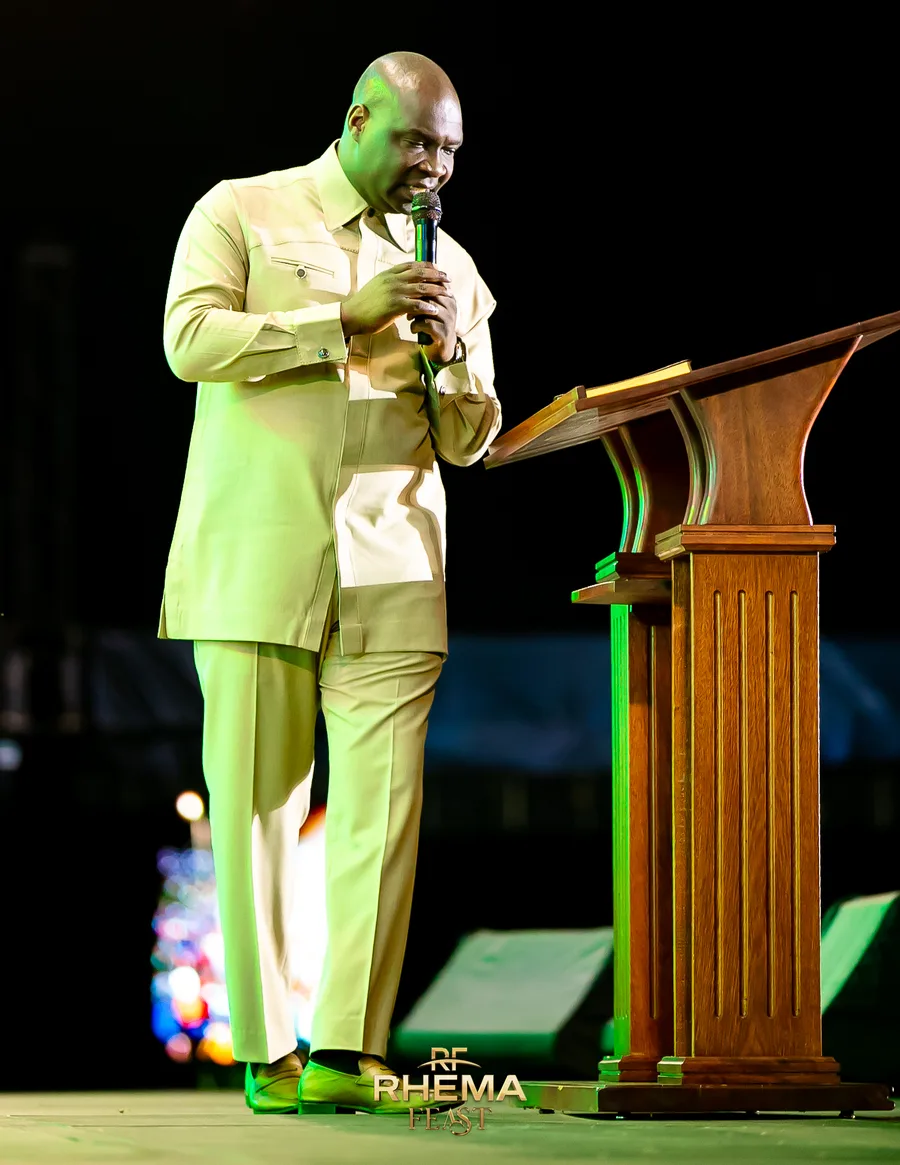
That partnership also demands a King-Priest mentality. We must be devoted to God as priests while carrying influence as kings. Our spirituality must not make us irrelevant to the world around us. Whether in business, media, politics, education, governance or any sphere of society, believers are called to bring Kingdom values into places where decisions are made and lives are shaped.
Yet even with all these credentials, Apostle Selman reminded the church of something we often forget: no one person can build everything. The Kingdom is too vast for one vessel. Rebuilders must possess the humility to recognise their portion and honour the portion of others. There must be unity, synergy and a willingness to receive from other vessels. The wall is only complete when every builder is willing to lay their stone.
Seven pillars
From the individual to the nation
If nations must be rebuilt, seven foundational pillars must be addressed: vision, values and policies, education, transformative leadership, economic strength, functional security, and faith and spirituality.
A nation must first see what it ought to become before it can pursue it. It must establish values that reward diligence, integrity and fairness. Its education system must produce problem-solvers rather than merely certificate holders. Its leaders must know how to harness people and resources toward a common vision. Its citizens must develop financial intelligence and economic productivity. Its security must become a collective responsibility. And at the foundation of all these must be a healthy spirituality that shapes morals, convictions and character.
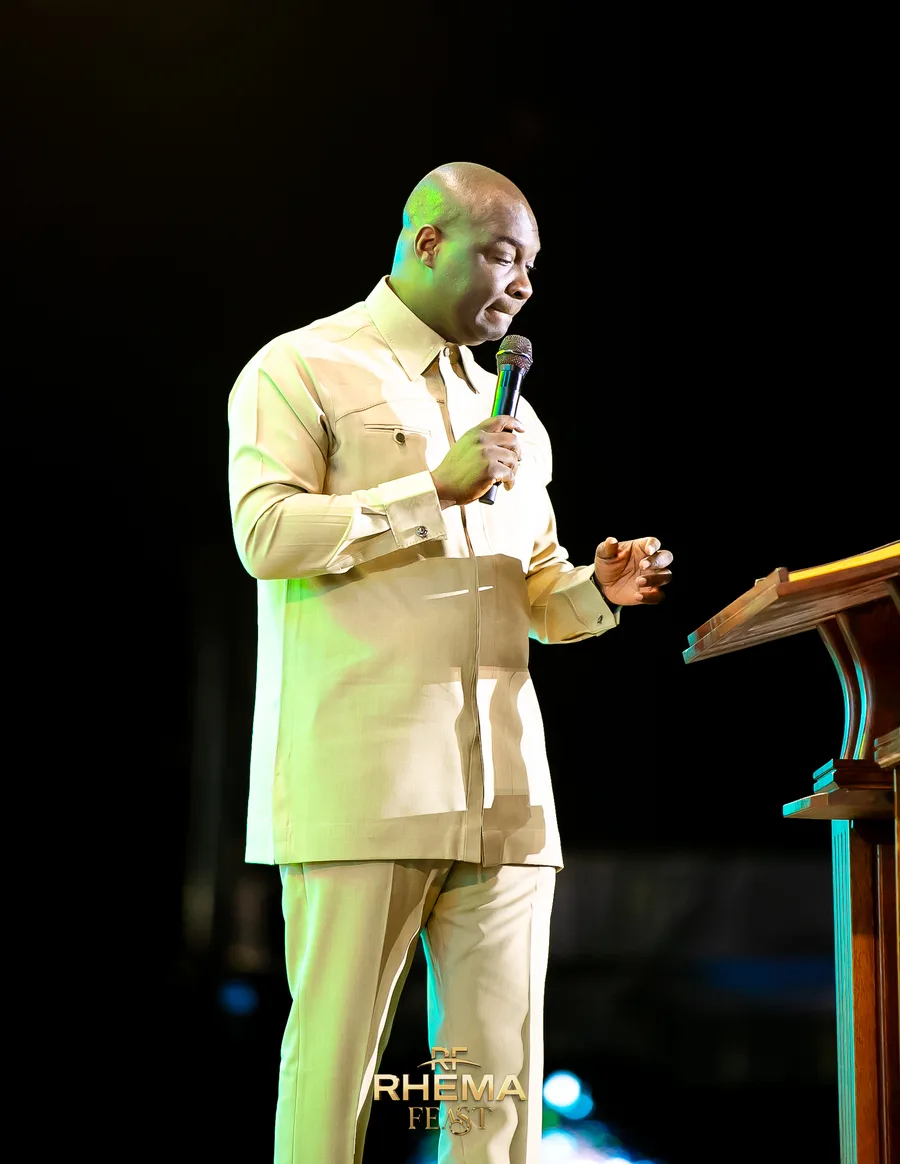
It was more than a sermon. It was a mirror. The question is no longer, “Who will rebuild?” Perhaps the question is, “Will I become the kind of person God can trust with the rebuilding?”
God is not merely looking for people who will admire the ruins. He is raising architects of hope who will pick up the stones and build again.
As Rhema Feast 2026 came to its final day, the message felt like a commissioning. We came asking God to rebuild our cities, our families, our churches, our nations and our lives. But Apostle Joshua Selman reminded us that God often answers those prayers by raising people.
People who love Him beyond the assignment. People who think with His mind. People who understand His agenda. People who are willing to partner with Him. People who carry both priesthood and influence. People who understand that they are not building alone.
Perhaps this is the real legacy of Rhema Feast 2026: God is not merely looking for people who will admire the ruins. He is raising architects of hope who will pick up the stones and build again. Come, let us rebuild.