The Altar Before the Throne - Rev. Lee Wambugu
What happens when God hands a generation the marketplace before it has learned the upper room?
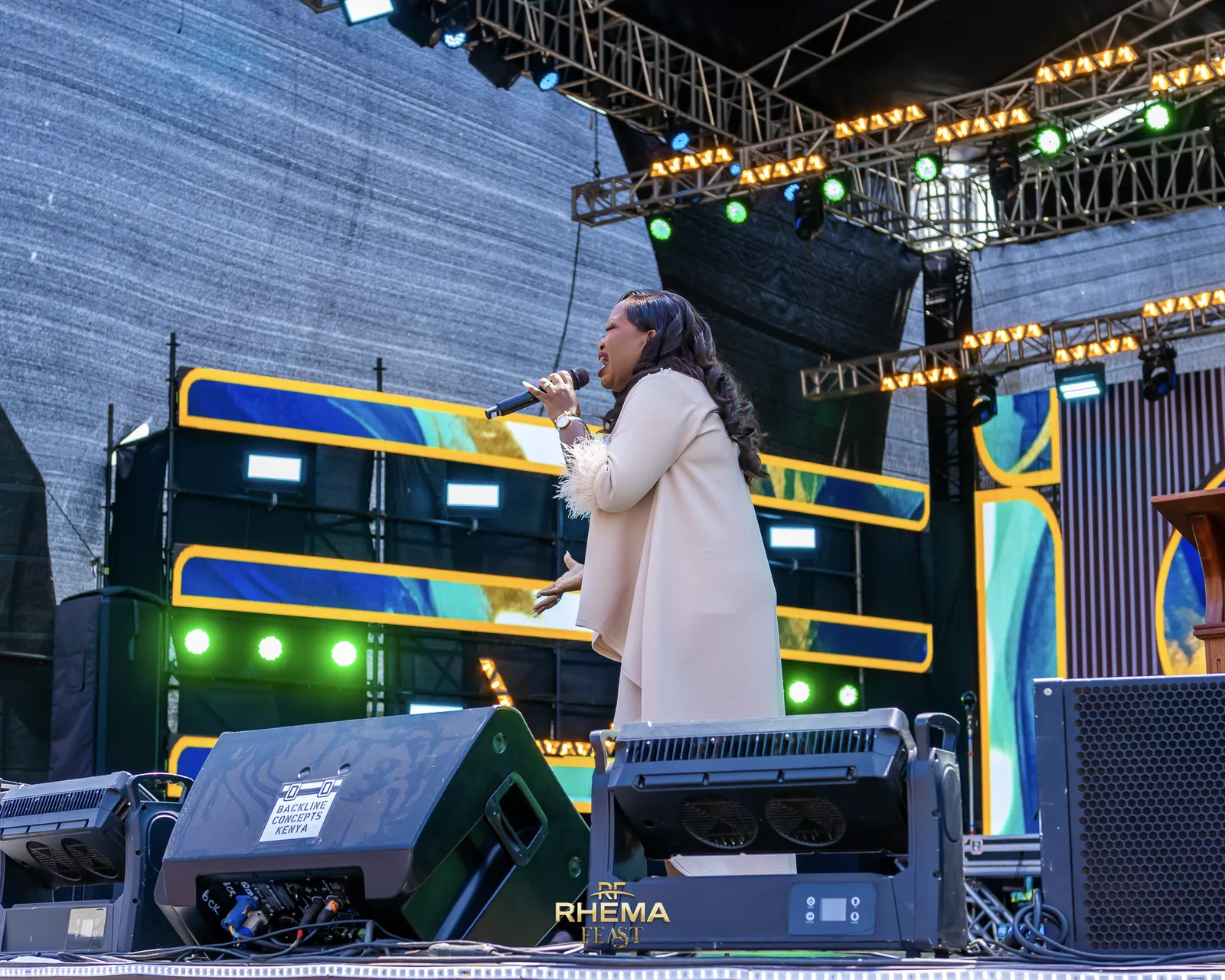
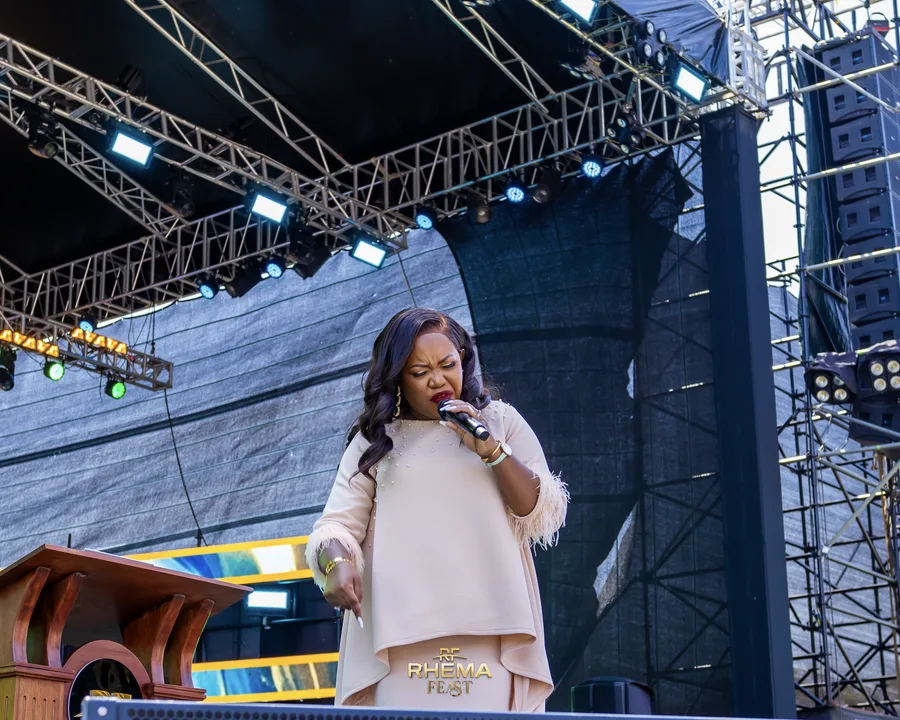
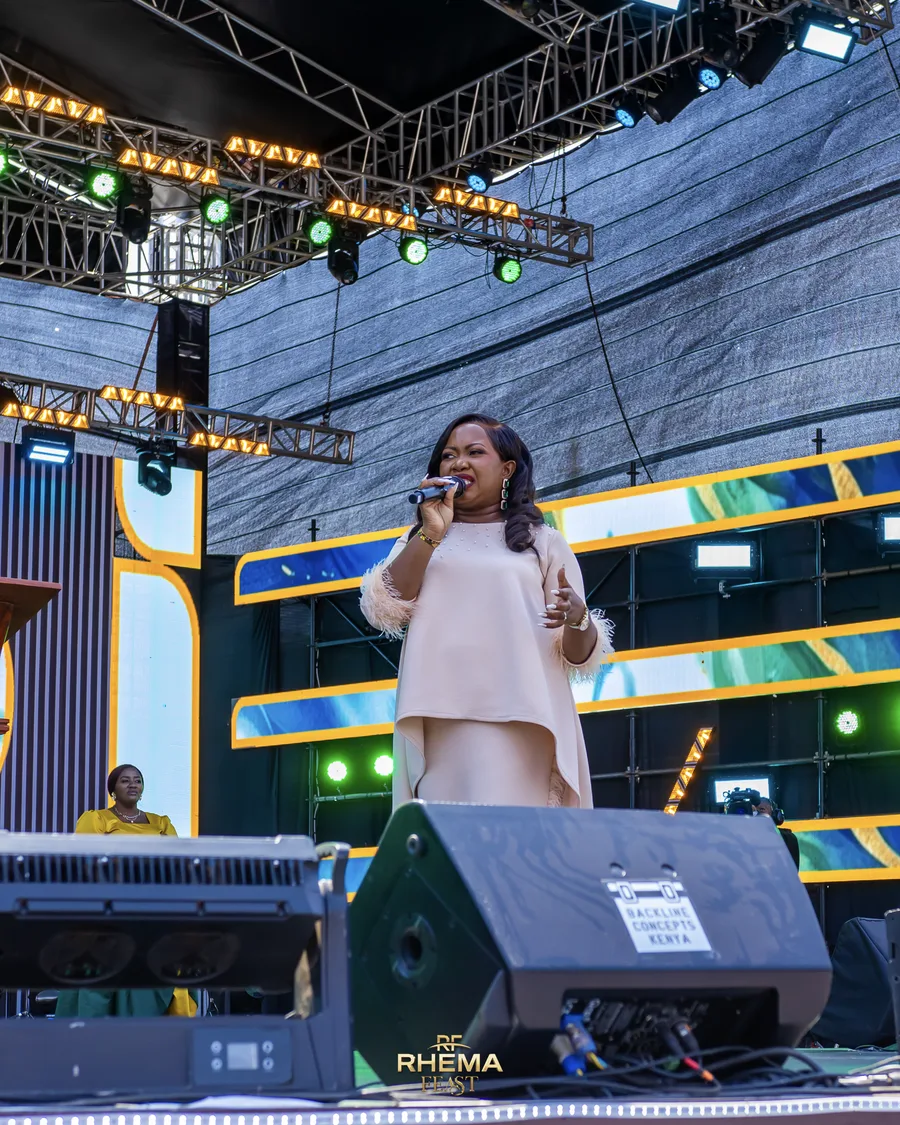
Believers are rising into places of power at a pace the Church has not seen in years, and there is a place for the righteous at the top. Rev. Lee Wambugu named the danger sitting just inside that open door: people celebrating the platform while walking away from the altar, wanting the throne but forgetting the pit and the prison that shaped the person who could carry it. Many want to be kings in the marketplace and have quietly resigned their ordination in the upper room. God never asked anyone to trade one calling for the other.
Revelation pictures every believer already made into a kingdom and priests, one identity rather than two competing ones (Revelation 5:10). Your priesthood was never meant to be traded for your kingship; it was meant to empower it. She described this as being ambidextrous: a people whose left hand can do what the right hand does, so the same strength shows up in the boardroom and in the prayer closet. Not a platform without an altar.
Before God gives you the seat, He asks for the secret place.
Rev. Lee Wambugu

That balance costs supply you cannot manufacture. You cannot sustain a spiritual assignment on natural reserves, and you cannot offer the world an authentic life once the oil in your secret place has run dry. Peter calls every believer part of a holy priesthood offering spiritual sacrifices (1 Peter 2:5), and that offering happens before an audience of one.
Daniel governed a province and still prayed three times a day. Nehemiah carried a four-month fast before he ever picked up a trowel. Anna and Simeon spent decades in the temple before they held the child they had waited for, and the apostles received power only after they had first waited in an upper room with nothing to do but wait.
Before God hands you the crown, He asks for the altar.
Rev. Lee Wambugu
The gold in Jeroboam's hands
What happens when the order gets reversed
She pointed to what happens when that order gets reversed. Israel split into two kingdoms, and Jeroboam, a man God had personally promised a throne, mismanaged the very word he had been given (1 Kings 12:26-33). He built golden calves from the same gold God had placed in his hands and set them at Bethel, the site of Jacob's real encounter with God, and at Dan, turning both into shrines of convenience rather than consecration. He installed priests from every tribe instead of the ones God had set apart, and invented a feast in a month of his own choosing.
It looked like devotion, but underneath the ritual was a transaction, not a relationship, and a jealous, loving God does not stay quiet about being used. A prophet was sent to speak against that very altar (1 Kings 13:1-2). Not the golden calf, but the burnt offering.
Dan meant justice, the seat of discernment the psalmist pictures when he describes the saints exercising real authority in the earth even while singing for joy (Psalm 149:5-8). But convenience worship produces a slower kind of damage there too: a quiet erosion of conscience until a person stops feeling the weight of what they have done. Injustice can sit in plain sight while no one is troubled by it. That is why God is raising a remnant whose conscience is still alive, still able to feel what it was built to feel. Comfort numbs exactly what God needs awake.
Before God releases the platform, He asks for the vigil.
Rev. Lee Wambugu
Better late and lit than early and empty
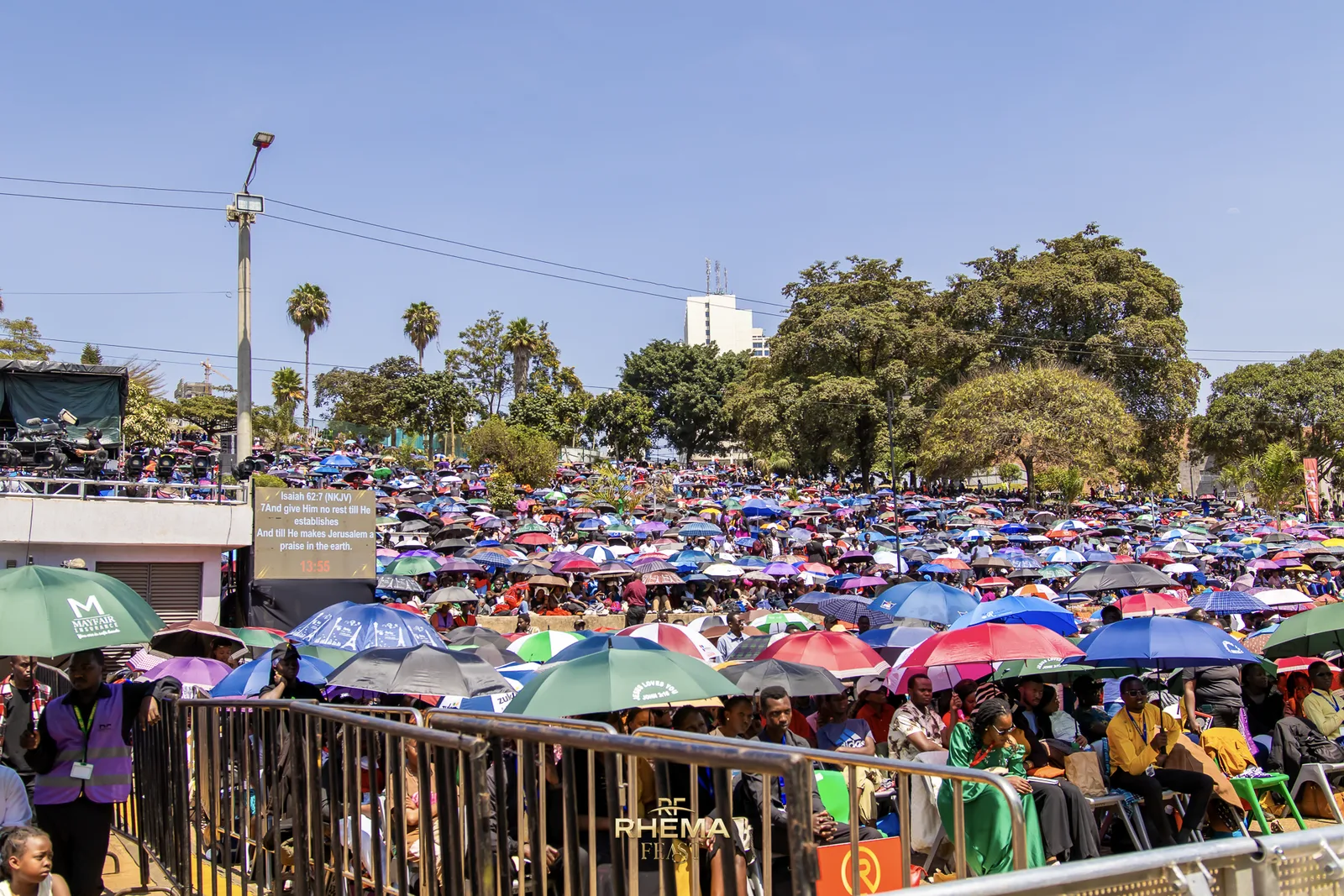
That remnant is formed less in public and more on the wall at night. Isaiah pictures God setting watchmen who never fall silent, who give themselves no rest and give God no rest until the city is established (Isaiah 62:6-7). It is not fashionable to be a watchman right now, but she taught that many will keep vigil in the dark long before they ever build in daylight, because nothing is birthed in the spirit without someone willing to be spent in secret.
She reminded the room that it is better to be late than early, that this generation has to starve its appetite for comparing paces and keep waiting on God instead. You may look like you are behind people who started when you did. Give God time. Better late and lit than early and empty.
Jeroboam had the promise and chose comfort instead, which is its own quiet tragedy: a throne offered to a man who decided waiting cost more than he wanted to pay. Josiah is the answer to that tragedy. His name means a fire offering, and God is raising Josiahs now, people who look nothing like the obvious candidate.
Before God gives you the kingdom, He asks for the fire.
Rev. Lee Wambugu
Josiah became king at eight, began seeking God at sixteen, and by twenty-one was tearing down altars that had stood for generations. God keeps choosing the one who does not look like it, because the fire is what marks a person, not the résumé. Not enthroned. Consumed.
Nehemiah once stood in front of a broken wall and told the exiles to get up and build, so they would carry their disgrace no longer (Nehemiah 2:17). That invitation has not changed. God is raising kings who still kneel. God is raising watchmen who are learning to build in daylight what they first tended in the dark. God is raising a people ambidextrous enough to hold a throne in one hand and an altar in the other, and that, right now, is what it means to come and let us build.
The wall was never the real project. The builder was.
Rev. Lee Wambugu